
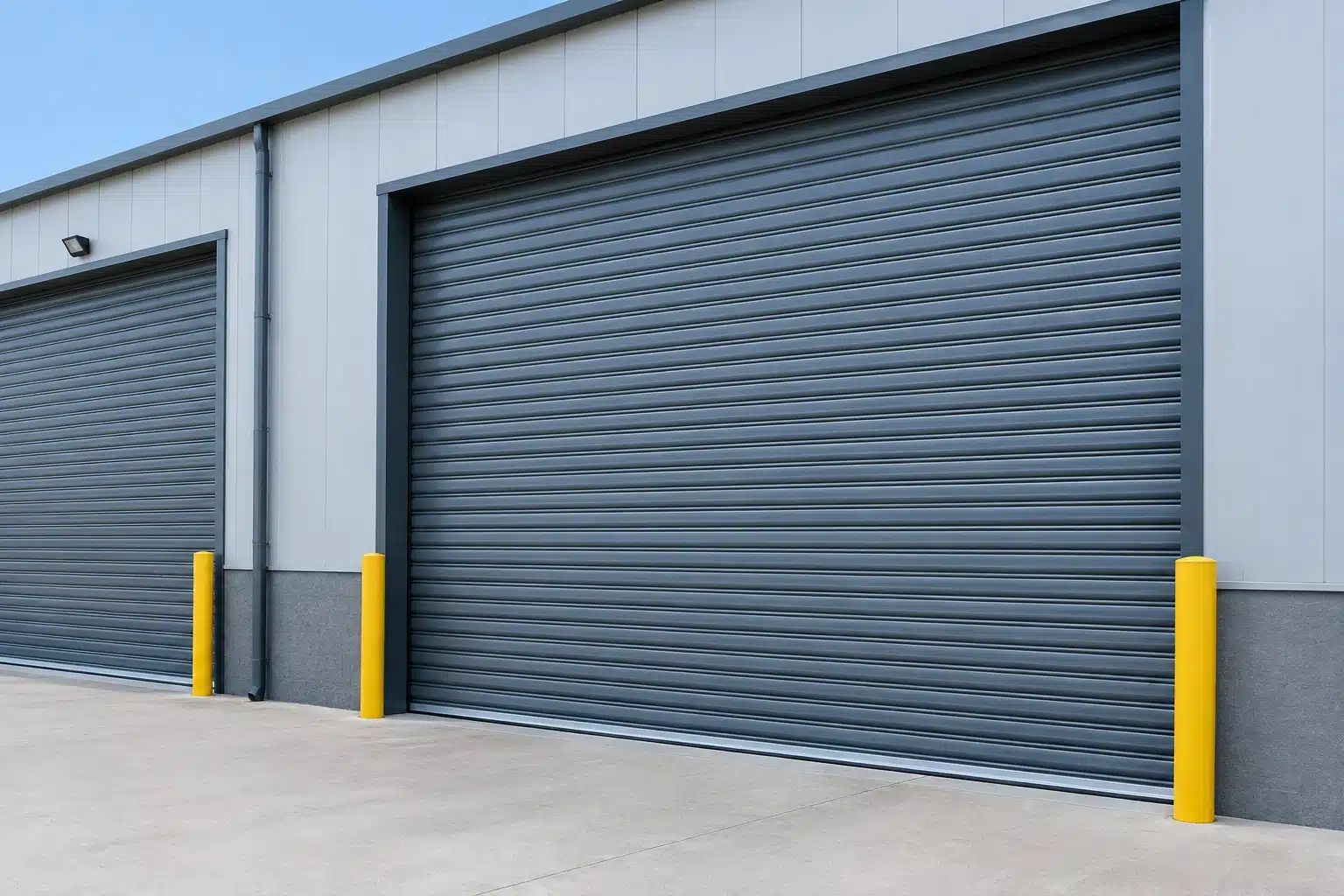
Choosing an industrial roller shutter is an important decision for a warehouse, factory, workshop or commercial property. The shutter is not simply there to close an opening. It can become part of the way your business manages access, security, deliveries and everyday movement around the site.
That is why choosing the first shutter that appears to fit the opening is not always the best approach.
The right solution depends on how the opening will be used, how much space is available, how frequently the shutter will operate and what conditions it will need to handle. A warehouse with regular vehicle access, for example, may have very different requirements from a small workshop.
If you are considering industrial shutters in Melbourne, understanding these practical points before installation can make the process much easier and help you choose a system that suits the property rather than simply looking suitable on paper.
Start With How Your Business Uses the Opening
Before thinking about the shutter itself, look at what happens around the opening every day.
Is it used for deliveries? Do forklifts pass through it? Are employees moving stock through the area? Does it provide access to a workshop or storage area? Is the opening used throughout the day or mainly at the beginning and end of business hours?
These details matter because the shutter needs to work with your normal workflow.
For example, a warehouse that receives regular deliveries may need an easy-to-operate shutter that can cope with frequent access. A workshop may have fewer opening cycles but could have limited space around the door.
Taking a few minutes to understand how the opening is actually used can help you have a much more useful conversation with an installer.
1. Check the Size and Layout of the Opening
The width and height of the opening are obvious starting points, but they are not the only measurements that matter.
There also needs to be enough room for the shutter components and the installation arrangement. The available headroom, side clearance and surrounding structure can all affect how the system can be installed.
This is particularly important if you are working with an existing building.
Before installation, consider:
- The width and height of the opening
- Available space above the opening
- Space beside the opening
- The surrounding walls or structure
- Whether vehicles or equipment need clear access
- Where the shutter will sit when it is open
- Whether existing doors or equipment affect the installation
A professional site assessment can identify these details before installation begins, rather than discovering a clearance issue once the project is already underway.
2. Think About How Frequently the Shutter Will Operate
Not every industrial roller shutter is used in the same way.
A shutter that opens a few times each day has different operating demands from one used repeatedly throughout a busy working day. If staff, forklifts or delivery vehicles regularly move through the opening, the operating requirements become an important part of the selection process.
Ask yourself:
- How many times will the shutter normally be opened?
- Will it be used continuously during working hours?
- Are vehicles passing through?
- Does access need to be quick and convenient?
- Will several employees need to operate it?
The aim is not to choose the most complicated system available. It is to choose one that is appropriate for the actual level of use.
For Melbourne businesses, this is particularly worth considering when comparing options for warehouses, factories and other busy commercial sites.
3. Decide Whether Manual or Motorised Operation Makes Sense
Manual operation can be suitable for some applications, particularly where the shutter is not used frequently.
However, when a large shutter is operated regularly, motorised operation may provide a more practical way to manage access.
The decision should be based on how the shutter will be used rather than simply assuming that motorisation is always necessary.
Consider:
- The size of the shutter
- How frequently it will be operated
- Who will operate it
- The amount of effort involved in manual operation
- How quickly access needs to be provided
- The available power supply and installation requirements
If you are considering automation, it is worth looking at the available motorised roller shutter options and discussing whether they suit the particular opening and working environment.
4. Consider What the Shutter Needs to Protect
Security is often one of the reasons businesses install roller shutters, but the security requirements can vary considerably between properties.
A warehouse may need to protect stock and equipment. A factory may need to secure machinery and materials. A workshop may need to control access to tools and valuable equipment.
Think about what is behind the opening and how the property is secured when nobody is there.
You should consider:
- What the shutter is protecting
- Whether the opening is accessible from outside
- How the building is secured after hours
- Who needs access to the area
- Whether the shutter is part of a wider security arrangement
The shutter should be selected as part of the property’s overall access and security requirements rather than treating it as a standalone feature.
5. Look at the Environment Around the Door
Industrial properties can expose doors to conditions that would not be present in a typical residential setting.
A shutter may be exposed to dust, dirt, wind, rain, vehicle movement or heavy day-to-day activity. In some facilities, forklifts and other equipment may operate close to the opening.
Think about the environment before choosing the system.
For example, an external warehouse opening may have different requirements from an internal factory opening. A loading area may need to accommodate vehicle movement, while a workshop entrance may have more limited space.
Consider whether the shutter will be exposed to:
- Outdoor weather
- Wind
- Dust and debris
- Frequent vehicle movement
- Loading and unloading activity
- Heavy daily use
- Indoor or outdoor conditions
This information can help an installer recommend an appropriate configuration for the site.
6. Think About People, Vehicles and Equipment Moving Through the Area
An industrial shutter should fit naturally into the movement of your workplace.
If forklifts are regularly passing through the opening, there needs to be enough clearance for safe movement. If delivery vehicles use the entrance, the opening needs to work with the size and movement of those vehicles.
Pedestrian access should also be considered where employees regularly use the same area.
Look at the complete access pattern rather than just the door itself.
For example:
Warehouse: Stock, forklifts and delivery vehicles may need regular access.
Factory: Machinery, materials and employees may move around the opening.
Workshop: Vehicles, tools and staff may use the opening throughout the working day.
Understanding these movements before installation can help prevent the shutter from becoming an obstruction to normal business activity.
7. Consider the Installation Space
A common mistake is to concentrate entirely on the opening and forget about the space surrounding it.
Roller shutters need an appropriate area for their components and operating mechanism. Existing structures, lighting, signs, services or other equipment may affect the available installation space.
This is why accurate site assessment matters.
Before installation, it can be useful to check:
- Whether anything is positioned above the opening
- Whether electrical services are nearby
- Whether signs or lighting interfere with the installation
- Whether there is sufficient side clearance
- Whether existing equipment needs to be moved
- Whether access will be available for installation work
Addressing these points early can make the installation process more straightforward.
8. Think About the Long-Term Requirements of the Business
It is easy to choose a shutter based only on what the business needs today.
But what about the next few years?
Perhaps the warehouse will have more deliveries. Maybe the opening will be used more frequently. Your business may change the way it stores stock or moves equipment through the building.
You do not need to predict every future change, but it is worth discussing how the shutter is expected to be used over the long term.
A good installation should make sense for the property’s current requirements while allowing the business to operate efficiently as those requirements change.
If you are replacing an existing shutter rather than installing a completely new one, planning a replacement roller shutter carefully can also help you consider the opening, operating requirements and future use before selecting the new system.
9. Ask What Is Included Before Installation
Before agreeing to an installation, make sure you understand what the project involves.
Rather than focusing only on the shutter itself, ask about the complete installation.
Useful questions include:
- Has the opening been accurately measured?
- Is the selected shutter suitable for the intended use?
- What operating method is recommended?
- Are there any site preparation requirements?
- Does the installation require electrical work?
- What access will the installers need?
- How will the shutter be tested after installation?
- What ongoing support is available?
Clear answers to these questions can make it easier to compare different options and avoid misunderstandings later.
10. Choose a Shutter Based on the Application, Not Just Appearance
Industrial roller shutters can be available in different materials, configurations and operating arrangements. It can be tempting to focus on colour or appearance, especially when the shutter is visible from the front of the property.
But for an industrial or commercial site, practical performance should come first.
The important question is:
Does the shutter suit the way this property actually operates?
A suitable solution should take into account the opening, usage, security requirements, working environment and access needs.
Once those factors have been established, appearance and finish can be considered as part of the overall selection.
What Should You Ask an Industrial Roller Shutter Installer?
If you are arranging an installation for the first time, you do not need to know every technical detail before contacting a professional.
Instead, start with the information you already know about your property.
Be prepared to explain:
- What type of business you operate
- Where the shutter will be installed
- The approximate opening size
- How frequently it will be used
- Whether vehicles or forklifts use the opening
- Whether the opening is internal or external
- Whether security is a major concern
- Whether you are replacing an existing door
An experienced installer can then assess the site and discuss the available options based on the actual application.
Choosing Industrial Shutters in Melbourne
Every industrial property has different requirements. A shutter that works well for one warehouse may not be the right choice for another site, even if the openings appear similar.
The best place to start is with the way your business operates.
Look at the opening size, frequency of use, access requirements, security needs, working environment and available installation space. These details provide a much better basis for choosing a roller shutter than simply selecting a product because it looks suitable.
For businesses looking for industrial and commercial roller shutter solutions, Reliant Doors can assess the requirements of the property and help determine an appropriate approach for the installation.
Whether the project involves a warehouse, factory, workshop or another commercial facility, getting the right advice before installation can help ensure the shutter works with the property and the people using it every day.
Frequently Asked Questions
What type of businesses can use industrial roller shutters?
Industrial roller shutters can be suitable for a range of commercial and industrial properties, including warehouses, factories, workshops, storage facilities and other buildings where secure and practical access is required.
How do I know what size industrial roller shutter I need?
The required size depends on the opening and the way it will be used. Width, height, available headroom, side clearance and surrounding structures should all be considered. A professional site assessment can help establish the appropriate requirements.
Are motorised industrial roller shutters suitable for busy warehouses?
They can be useful where a shutter is opened and closed regularly, but the right operating system depends on the size, usage and specific requirements of the site. A professional assessment can help determine whether motorised operation is appropriate.
What should I consider when installing a roller shutter in a factory?
Consider the size of the opening, frequency of use, movement of people and equipment, security requirements, surrounding environment and available installation space. The shutter should fit naturally into the factory’s daily workflow.
Can an industrial roller shutter be installed in an existing building?
Yes, industrial roller shutters can be installed as part of new projects or used to replace existing systems. However, the existing opening and surrounding structure should be assessed to determine the appropriate installation arrangement.
Why is a site assessment important before installation?
A site assessment allows the installer to look at the opening, available space, surrounding structures, access requirements and intended use. This helps identify practical considerations before installation begins.
Final Thoughts
Choosing an industrial roller shutter does not have to be complicated, but it is worth looking beyond the shutter itself.
Consider how your business uses the opening, how frequently it will operate, what needs to pass through it and what conditions it will face. Think about security, available space, manual or motorised operation and your longer-term requirements.
With those details understood, you can have a much more informed discussion about the right solution for your property.
For Melbourne businesses planning a new industrial roller shutter or replacing an existing system, professional advice can help turn those requirements into a practical installation that fits the way your business works.